Refinery Fire Today: Latest Updates, Cause Investigation, Emergency Response, and What It Means for Fuel Supply and Safety
Oil refineries are complex industrial facilities where crude oil is processed into usable products such as gasoline, diesel, and jet fuel. Because they handle highly flammable materials under high temperatures and pressure, even a small technical fault, leak, or operational error can escalate into a major fire event within minutes. This is why refinery fire incidents tend to attract urgent media coverage and strong public concern.
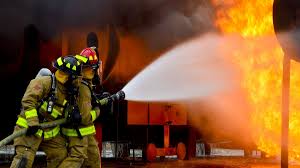
In many refinery fire situations reported “today,” emergency teams are usually dispatched immediately to control the flames and prevent them from spreading to storage tanks or nearby units. Firefighters often use specialized foam agents designed to suppress hydrocarbon fires, while operators initiate shutdown procedures to isolate affected sections of the plant. Depending on the severity, evacuations may also be ordered for workers and nearby communities as a precaution.
The causes of refinery fires vary widely. Some are linked to equipment failure such as ruptured pipelines, valve malfunctions, or overheating machinery. Others may result from human error, poor maintenance practices, or unexpected chemical reactions during refining processes. In rare cases, external factors like lightning strikes or power system failures can also play a role.
Environmental impact is another major concern during refinery fire incidents. Burning petroleum products can release thick smoke, carbon emissions, and potentially hazardous pollutants into the air. Authorities typically monitor air quality in surrounding areas and issue health advisories if necessary, especially for vulnerable groups such as children, elderly residents, and individuals with respiratory conditions.
Public interest in refinery fire updates is usually driven by three key questions: what caused the fire, how severe it is, and whether it has been contained. Because information often evolves rapidly in the early stages, official sources such as fire departments, environmental agencies, and refinery operators are considered the most reliable for accurate updates.
While many refinery fires are contained without casualties, the economic impact can still be significant. Production downtime, equipment damage, and supply chain disruptions can affect fuel availability and market prices, depending on the size and importance of the facility involved.
For readers searching “refinery fire today,” it is important to rely on verified updates rather than social media speculation, as early reports can sometimes be incomplete or inaccurate until investigations confirm the facts.